Active Aging Week, celebrated October 5–11, 2026, is an opportunity to recognize the many ways older adults continue to move, learn, connect, create, and find purpose.
Active Aging Week: Celebrating What it Means to Live Vibrantly
October 5, 2026
Active Aging Week, celebrated October 5–11, 2026, is an opportunity to recognize the many ways older adults continue to move, learn, connect, create, and find purpose.
And while the week may have “active” in its name, active aging is about much more than physical activity. It can mean nurturing social connections, exploring new interests, expressing creativity, supporting emotional well-being, and continuing to engage with the world in meaningful ways.
There is no single definition of what it means to stay active as we age. For one person, it might mean joining a morning fitness class or taking a walk with friends. For another, it could be picking up a paintbrush, attending a guest lecture, volunteering for a cause, or joining friends for a favorite card game.
What matters is having opportunities to stay engaged in ways that are meaningful.
Active Aging Can Include:
Moving: Walking, dancing, stretching, fitness classes, gardening, or other activities that support strength, mobility, and balance.
Learning: Exploring a new subject, attending educational programs, reading, writing, or developing a new skill.
Creating: Painting, crafting, woodworking, making music, cooking, or finding other ways to express yourself.
Connecting: Spending time with friends and family, participating in clubs and groups, volunteering, or building intergenerational relationships.
Finding Purpose: Sharing your knowledge, contributing to your community, practicing your faith, mentoring others, or pursuing what matters most to you.
Active aging isn’t about doing everything. It’s about continuing to have choices and opportunities to do the things that bring meaning, connection, curiosity, and joy.
Supporting Whole-Person Wellness
Staying engaged can support many dimensions of well-being. Movement can help maintain strength, mobility, and balance, while learning and creative pursuits keep the mind engaged. Social activities provide opportunities to build relationships and foster a sense of belonging.
Together, these experiences remind us that wellness extends beyond physical health. Emotional, intellectual, social, and spiritual well-being are also important parts of living fully at every age.
Living Vibrantly at Grace Management
At Grace Management, Inc., we believe opportunities for growth, discovery, connection, and fun don’t have an age limit.
Through our Vibrant Living program, residents are encouraged to explore experiences centered around four guiding pillars: Purpose, Curiosity, Creativity, and Fun.
Those pillars come to life in countless ways — from fitness and wellness programs to art classes, educational opportunities, community outings, volunteer projects, social gatherings, resident-led activities, and much more.
Because active aging isn’t something that happens during just one week of the year. It’s found in the everyday moments that keep us connected to the people, experiences, and interests that make life meaningful.
This Active Aging Week, we celebrate older adults everywhere who continue to learn, create, connect, contribute, and live vibrantly.
Every October, Breast Cancer Awareness Month serves as an important reminder of the value of knowledge, early detection, meaningful conversations, and support for those whose lives have been affected by breast cancer.
Breast Cancer Awareness Month: The Power of Knowledge, Connection, and Care
October 1, 2026
Every October, Breast Cancer Awareness Month serves as an important reminder of the value of knowledge, early detection, meaningful conversations, and support for those whose lives have been affected by breast cancer.
These statistics are an important part of building greater awareness, but awareness goes beyond the numbers. It means understanding our individual health, having conversations with the people we love, supporting one another, and taking an active role in our overall well-being.
Knowledge is a Powerful First Step
Understanding breast cancer begins with understanding that risk looks different for everyone.
Age, genetics, family history, breast density, personal medical history, and certain lifestyle factors can all play a role in breast cancer risk. Having one or more risk factors does not mean someone will develop breast cancer, and people without known risk factors can still be diagnosed. That is why knowing your own health history and sharing it with your healthcare provider is so important.
Staying informed creates an opportunity to ask questions, advocate for ourselves, and make health decisions based on our individual circumstances.
Start the Conversation about Family History
Our health stories are often connected to the generations that came before us.
A family history of breast or ovarian cancer can increase a person’s risk, particularly when a mother, sister, daughter, or several relatives have been diagnosed. It is important to consider your family health history on both sides of the family.
These conversations may not always come up naturally, but sharing family health information can give children, grandchildren, siblings, and other relatives knowledge they can bring to their own healthcare providers. A conversation today could provide valuable information for generations to come.
The National Cancer Institute offers additional information about family history, genetics, and other factors associated with breast cancer risk.
Make Screening Part of the Conversation
Screening is an important part of breast health because it can help identify breast cancer before symptoms appear. However, when and how often someone should be screened can vary based on individual circumstances.
Talk with your healthcare provider about the screening approach that may be right for you. Together, you can consider factors such as your age, overall health, personal and family history, previous screenings, and individual risk factors to make informed decisions about your breast health.
The Power of Caring for One Another
Breast Cancer Awareness Month is an opportunity to learn, but it can also be an opportunity to connect.
Ask about your family health history. Talk with your healthcare provider about your individual risk and appropriate screenings. Check in with someone going through treatment or living beyond cancer. Share what you learn with the people you love.
At Grace Management, Inc., our ‘People First’ philosophy reminds us of the importance of seeing and supporting the whole person. This October, we encourage everyone to use the power of knowledge, connection, and care to look after themselves, and one another.
Being part of a community means more than simply living there. It means finding ways to connect, contribute, and make a difference in the lives of others.
Graceful Giving: Making a Difference Beyond Our Communities
September 29, 2026
Being part of a community means more than simply living there. It means finding ways to connect, contribute, and make a difference in the lives of others.
At Grace Management, that belief comes to life through Graceful Giving, a program that creates meaningful opportunities for residents to share their time, talents, creativity, and compassion with the greater communities around them.
From supporting local organizations and causes to creating handmade gifts and participating in service projects, Graceful Giving looks a little different in every community. What remains the same is its purpose: helping residents stay connected to causes that matter to them while continuing to make a positive impact.
Giving with Purpose
For many older adults, giving back has been an important part of their lives for decades. Retirement doesn’t change the desire to help others, support meaningful causes, or contribute to the community.
Graceful Giving creates opportunities for residents to continue doing just that.
Projects are shaped by the interests, experiences, and abilities of residents, allowing everyone to participate in ways that feel meaningful to them. That could mean volunteering time, creating something by hand, collecting needed items, supporting a local organization, or simply sharing a thoughtful message with someone who could use encouragement.
These experiences also create opportunities for residents to work together toward a shared goal, strengthening connections within their own senior living community while extending those connections beyond its walls.
From Camellia at Deerwood to Service Members Near and Far
Recently, residents at Camellia at Deerwood turned Graceful Giving into a heartfelt show of appreciation for members of the United States military.
Residents of The Village, Camellia at Deerwood’s memory care neighborhood, helped collect supplies for service members serving both stateside and overseas. But they didn’t stop there.
Residents decorated and hand-wrote heartfelt messages to accompany the donations, adding a personal reminder that people back home were thinking of and appreciating those who serve.
The project was a collaborative effort that extended beyond Camellia at Deerwood. Pricilla Williams, Volunteer Coordinator with Haven Hospice, assisted Memory Care Manager Petrina Kelly and residents with the initiative. Williams also coordinated with Brian Stuart of the Army National Guard Soldier and Family Readiness Program to help ensure the donated items reached the appropriate organization for distribution in care packages to service members.
Then came an especially meaningful part of the experience: residents received photos of service members receiving the care package. Seeing their smiles brought the project full circle and showed just how far a thoughtful gesture can travel.
Connection Goes Both Ways
The Camellia at Deerwood project represents something at the heart of Graceful Giving: older adults aren’t simply recipients of support and care. They remain important, active members of the communities around them, with experiences, talents, ideas, and compassion to share.
Giving back provides another avenue for residents to find purpose, build relationships, and remain engaged with the people and causes that are important to them.
And the impact extends in both directions.
A handwritten note can brighten someone’s day. Donated supplies can meet a need. A volunteer project can support a local organization. At the same time, residents have the opportunity to experience the fulfillment that comes from knowing their actions have made a difference.
Creating Stronger Communities Together
Across Grace Management communities, Graceful Giving provides opportunities to turn kindness into action. The causes and projects may change from one community to another, but the message remains the same.
We believe there is always something meaningful to contribute, at every age and every stage of life. Find a Grace Management community near you and discover a place where connection, purpose, and opportunities to make a difference are part of everyday life.
Back-to-school season often makes one think about classrooms, textbooks, and the excitement of a new school year. But learning doesn’t belong to any one season, or any one stage of life.
School Is Back in Session: How Learning Has No Age Limit
September 23, 2026
Back-to-school season often makes one think about classrooms, textbooks, and the excitement of a new school year. But learning doesn’t belong to any one season, or any one stage of life.
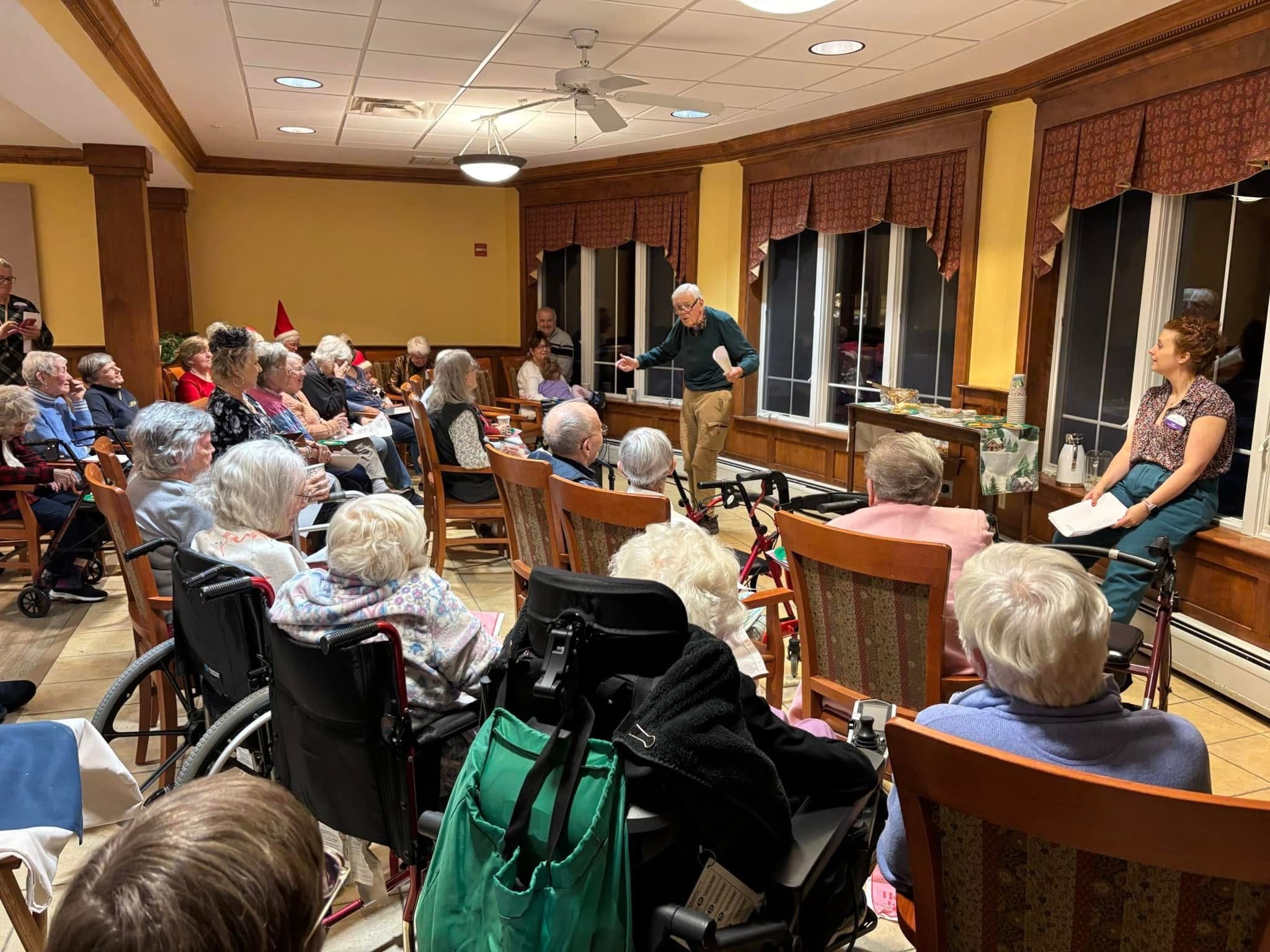
At Grace Management communities, residents continue to discover new interests, develop new skills, share their knowledge, and explore the world around them. From educational programs and guest speakers to cultural experiences and intergenerational connections, learning can take many forms.
Because no matter our age, there is always something new to discover.
Bringing Learning to Life Through Vibrant Living
At Grace Management, continued discovery is an important part of our Vibrant Living Program, built around four guiding pillars: Purpose, Curiosity, Creativity, and Fun.
These pillars come to life differently for every resident. Curiosity might inspire someone to explore a subject they have always wanted to learn more about. Creativity can lead to a new hobby or form of self-expression. Purpose can be found in sharing knowledge and experiences with others. And fun reminds us that trying something new can simply be enjoyable.
Rather than defining what an enriching life should look like, our communities create opportunities for residents to pursue the interests, experiences, and connections that are meaningful to them.
Learning in Action at Dirigo Pines
At Dirigo Pines, learning extends well beyond the traditional classroom.
Through a partnership with the University of Maine, residents have access to undergraduate courses and Senior College programming designed for older adults. Guest speakers and Curiosity University bring additional educational opportunities into the community, while outings to concerts, museums, festivals, and other cultural destinations offer residents opportunities to experience and learn from the world around them.
But some of the most meaningful learning happens when knowledge is shared.
Through Dirigo Pines’ Life-Long Readers Program, residents partner with local elementary school children for weekly summer reading sessions. Residents help young readers practice their skills and build confidence, while creating connections that extend across generations. The program offers something valuable for everyone involved — an opportunity to learn from one another, share experiences, and build relationships.
It’s a reminder that learning isn’t always about being a student. Sometimes, it’s about sharing what we know, listening to someone else, and discovering something new together.
Want to learn more about what lifelong learning looks like in our communities? Watch our recent Grace Presents webinar on-demand, The Lifelong Learning Advantage: Curiosity, Connection, and Healthy Aging, featuring Jenna Biehn, Sales Director at Dirigo Pines, alongside Linda Hollis, PhD, Associate Professor of Practice at the University of Arizona, and Ruth Friedman, published author and resident at The Hallmark.
Together, they’ll bring different perspectives to the conversation — from the science behind lifelong learning to how opportunities for continued learning and engagement are created within senior living communities, and what those experiences can look like for residents themselves.
There is Always More to Discover
A lifetime of experiences doesn’t mean there is less left to learn. It can mean there are even more perspectives to explore, stories to share, questions to ask, and interests to pursue.
At Grace Management communities, we believe every stage of life should offer opportunities to learn, create, connect, and grow. Through Vibrant Living and our person-centered approach, residents are encouraged to pursue experiences that reflect who they are, what they enjoy, and what they still want to discover.
This back-to-school season, we’re celebrating a simple idea: there is no age limit on learning. Ready to discover what’s next? Find a Grace Management community near you and explore the opportunities to keep learning, connecting, and trying something new.
Some of the most meaningful connections in our lives are with people whose experiences look different from our own. Each generation grows up with different technologies, traditions, challenges, and ways of seeing the world. When generations come together, those differences create opportunities to learn, connect, and grow.
What We Learn from Each Other:The Power of Intergenerational Connection
September 15, 2026
Some of the most meaningful connections in our lives are with people whose experiences look different from our own. Each generation grows up with different technologies, traditions, challenges, and ways of seeing the world. When generations come together, those differences create opportunities to learn, connect, and grow.
Intergenerational relationships remind us that learning doesn’t move in just one direction. Older adults have experiences, stories, skills, and perspectives to share, while younger generations bring new ideas, technologies, cultural perspectives, and fresh ways of approaching the world.
The value of intergenerational relationships comes from the exchange.
Sharing Experiences and New Perspectives
There is something uniquely valuable about seeing life through the eyes of another generation.
A conversation about a first job can reveal how much the workplace has changed. Looking through old photographs can uncover stories that have never been shared. A favorite family recipe can become an opportunity to pass along traditions while creating new memories together.
At the same time, younger generations can introduce older adults to new interests, technology, music, ideas, and perspectives.
These moments aren’t simply about passing knowledge from one generation to the next. They’re about sharing it with one another.
Curiosity Has No Age Limit
Lifelong learning can happen in a classroom, through a new hobby, or while developing a new skill. But some of our most valuable learning happens through other people.
Connecting with someone from another generation encourages us to ask questions, listen, and consider experiences outside our own. A simple question like, “What was this like for you?” can open the door to conversations that help us better understand one another.
There is always another story to hear, another perspective to consider, and something new to discover. To explore this idea even further, watch our on-demand Grace Presents webinar, The Lifelong Learning Advantage: Curiosity, Connection, and Healthy Aging, where we explore how continued learning, curiosity, and social connection can enrich our lives at every age.
Connection Creates Belonging
Intergenerational relationships offer more than just opportunities to learn. They also create meaningful connections.
Spending time with people outside our own generation can broaden our social circles, challenge assumptions about age, and help us recognize how much we have in common.
These relationships can develop within families, among friends and neighbors, through volunteer opportunities, or within the greater community. What matters is creating opportunities for people of different ages to spend meaningful time together.
Creating More Opportunities to Connect
Building intergenerational relationships doesn’t have to involve a major activity. Often, it starts with simply spending time together.
Cook a favorite meal. Create a playlist with songs from different decades. Reminisce through old photographs. Teach each other a new hobby or skill. Explore technology. Volunteer together. Or simply ask a question you’ve never thought of asking before.
The activity may be simple, but the connection it creates can be meaningful.
Something to Teach, Something to Learn
Every generation experiences the world differently. Those differences give us more to talk about, more to discover, and more opportunities to understand one another.
At Grace Management, Inc. we believe meaningful connection and continued learning are important at every stage of life. Across our communities, we create opportunities for residents to stay engaged, share their experiences, explore new interests, and build meaningful relationships with those around them.
Because no matter where we are in life, we all have something to share—and something new to learn.
Every pet-inclusive community starts with a shared belief: residents shouldn’t have to leave behind an important part of their lives.
Creating a Pet-Inclusive Culture in Senior Living Communities
May 29, 2026
Every pet-inclusive community starts with a shared belief: residents shouldn’t have to leave behind an important part of their lives when they transition to a senior living community.
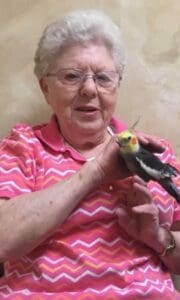
Pets are more than companions — they’re family, sources of comfort, daily motivation, and companionship that can positively impact emotional and physical well-being. In senior living communities, creating an environment where residents and pets can thrive together can make a lasting difference in quality of life.
To explore what truly pet-inclusive living looks like, we spoke with leaders from four of our Grace Management, Inc. communities about their philosophy around pets, the impact they’ve witnessed firsthand, and the advice they’d offer others looking to create more welcoming spaces for residents and their furry (or feathered) companions.
Q. How would you describe your community’s philosophy around pets and why it matters for residents’ quality of life?
Inspirations of Mesa – Mesa, AZ: Tracy M., Sales Director: At Inspirations of Mesa, we truly believe pets are family. Senior living should still feel like home, and for many residents, that includes the companionship, comfort, and unconditional love that pets provide. Pets often bring a sense of purpose, routine, emotional support, and even social connection, not only for the resident owner but for the community as a whole. We’ve seen how animals naturally create conversation, encourage interaction, and bring smiles to residents, families, and team members alike.
Northgate Park – Cincinnati, OH: Martha B., Sr Life Enrichment Director: In our community, pets can greatly improve the quality of life for seniors by providing comfort, companionship, and most importantly a sense of purpose. We understand that caring for a pet helps maintain a stable mental and emotional well-being for our resident pet owners. It helps reduce the feeling of loneliness if they recently lost a spouse or family member or if they are more of an introvert. The daily task of caring for a pet helps build a routine and is something meaningful to look forward to each day. Our philosophy is that the pets in our community are part of our family. We help care for them and get snuggles in when we get a chance.
These perspectives highlight a common theme — pets are family here. They provide comfort, routine, and emotional connection, all of which contribute to a stronger sense of home and belonging.
Some of the most meaningful examples of pet-inclusive living come from the personal stories communities witness every day.
Q. Can you share a specific story that illustrates the impact a pet has had on a resident’s emotional or physical well-being?
The Landon at Lake Highlands – Dallas, TX: Cami B., Life Enrichment Director: One resident was very isolated after losing their spouse, but their dog became a bridge back into community life. Daily walks led to conversations, friendships, and eventually participation in activities again. That little dog brought purpose, connection, and joy back into their life.
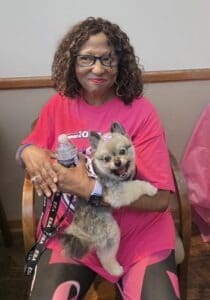
Town Village Vestavia Hills – Birmingham, AL: Tara K., Life Enrichment Director: We have a resident that is wheelchair bound and a veteran; she is a little hesitant to be the initiator of making new friends. However, she has the most precious little lap dog that no one can deny is the cutest thing you have ever seen. That dog is the bridge she needs to reach other people, and everyone wants to come say hi to Sunshine. This has been instrumental in Denise being more present in the community and making friends.
Q. What Does a Truly Pet-Inclusive Community Look Like?
Creating a truly pet-inclusive community means more than just permitting pets — “It’s a practice. It means that the organization has thought about the person and the pet as a unit and has built a system that is meant to support both”. Explained Dr. Ben Olson of COVE Animal Health during the recent Grace Presents Webinar: The Power of Pets: How Pets Bring Purpose and Happiness in Later Life.
Inspirations of Mesa: Tracy M., Sales Director: To us, being pet-inclusive goes beyond simply allowing pets. It’s about intentionally creating an environment where pets are welcomed as part of the community culture. That includes supportive policies, understanding team members, pet-friendly spaces, and incorporating pets into community life whenever possible.
We are currently working toward enhancing that experience even further through thoughtful touches such as pet resource information, local partnerships, and pet-friendly amenities that help both residents and families feel supported. The goal is to create an atmosphere where both residents and their pets can comfortably thrive together.
Northgate Park: Martha B., Sr Life Enrichment Director: Being a truly pet-inclusive senior living community goes further than just allowing pets. We need to recognize that pets are an important part of our residents’ lives. That these pets support the quality of life for residents. Staff should be able, if not trained, to welcome and support both residents and their animals with compassion and flexibility.
From pet-inclusive communities and walking paths to pet-focused events, these communities demonstrate that pet inclusion is woven into the resident experience in meaningful ways.
Q. What advice would you give to communities looking to become more pet-inclusive?
Creating a pet-inclusive culture doesn’t happen overnight, but leaders say the first step is understanding the important role pets play in residents’ lives.
The Landon at Lake Highlands: Cami B., Life Enrichment Director:Start simple and lead with heart. Listen to residents, create opportunities for pets and people to connect, and build a culture that embraces companionship. Pets don’t just improve resident life; they help create community.
Town Village Vestavia Hills: Tara K., Life Enrichment Director: First, just being open to expanding your activities to include pets. Make sure when hiring that they are comfortable working in an environment with pets.
Review and update your pet policy if needed. Policies are in place to protect residents, associates, and even the pet. Having designated pet areas and cleanup stations around the community is instrumental in keeping the property clean.
Their advice emphasizes starting with empathy, listening to residents, and building policies and experiences that support both safety and connection.
Creating Communities That Feel Like Home
At the heart of every pet-inclusive community is a commitment to supporting the whole person — and that often includes the pets who bring comfort, companionship, and joy to everyday life.
As these community leaders shared, fostering a welcoming environment for pets can strengthen resident well-being, encourage meaningful relationships, and create a stronger sense of home and belonging.
At Grace Management, Inc., this philosophy is reflected in the everyday experiences created across our communities — where residents are encouraged to continue the routines, relationships, and moments that matter most to them, including those shared with beloved pets.
Whether through wagging tails in the hallway, daily walks with neighbors, or quiet moments of companionship, pets continue to make an undeniable impact in senior living communities every day.
Choosing the right senior living option can feel overwhelming — especially when you’re early in the process of comparing different levels of care, services, and costs.
Senior Living Options Explained: A Guide to Lifestyle Options for Seniors
March 27, 2026
Choosing the right senior living option can feel overwhelming — especially when you’re early in the process of comparing different levels of care, services, and costs.
Whether you’re planning ahead or making a more immediate decision, understanding the differences between Independent Living, Assisted Living, Memory Care, and Skilled Nursing can help you find the right fit.
What Are the Different Types of Senior Living?
The most common types of senior living communities include:
Active Adult Living (55+ communities)
Independent Living
Assisted Living
Memory Care
Skilled Nursing
Continuing Care Retirement Communities (CCRCs)
Each offers a different level of support based on lifestyle and care needs.
Active Adult Living (55+ Communities)
Best for: Active, independent adults aged 55+
Active Adult communities offer maintenance-free living with social opportunities and optional add-on services like meals or housekeeping.
Cost: Private pay, monthly rate
Independent Living
Best for: Seniors who want convenience without daily responsibilities.
Independent Living communities provide private apartments with services like meals, housekeeping, transportation, and activities.
Why it’s popular:
Simplified lifestyle
Built-in social connection
Wellness and dining support
Cost: Private pay, monthly rate (not covered by Medicare)
Assisted Living
Best for: Seniors who need help with daily activities
Assisted Living offers 24/7 support with tasks like bathing, dressing, mobility, and medication management — while encouraging independence.
Skilled Nursing facilities offer the highest level of care, including 24/7 nursing support and rehabilitation services.
Cost: Private pay daily or monthly rate, Medicaid, or insurance (depending on eligibility)
Continuing Care Retirement Communities (CCRCs)
Best for: Long-term planning
CCRCs offer a continuum of care on one campus, allowing residents to transition between levels as needs change.
Cost: Upfront buy-in plus monthly and care-related fees
Choosing the Right Senior Living Option
When comparing senior housing options, consider:
Health needs (current and future)
Desired level of independence or care
Budget and payment structure
Importance of socialization and amenities
Understanding the different lifestyle options available to seniors helps you make confident, informed decisions.
From Independent Living Communities to Skilled Nursing Facilities, today’s senior living lifestyle options are designed to support quality of life, connection, and peace of mind at every stage.
Explore Your Options
Ready to take the next step? Explore communities, lifestyle options, and locations to find the right fit for you or your loved one.
By shifting from reactive to proactive, communities are helping older adults stay ahead of health concerns, remain independent, and live with greater confidence.
5 Ways Senior Living Is Becoming a Proactive Partner in Healthcare
March 26, 2026
For years, senior living has been seen as a place people turn to after a health issue arises.
That perception is changing.
In our recent webinar, Beyond Housing: The Evolving Role of Senior Living in Healthcare, industry experts explored how communities are shifting from reactive care models to a more proactive, connected approach — one that helps older adults stay healthier, longer.
Here are five ways that shift is happening:
Moving from Reactive Care to Early Intervention
Traditional aging models often rely on reacting to issues after they escalate. Senior living flips that approach.
With daily interaction and ongoing observation, teams can notice subtle changes early — addressing concerns before they turn into emergencies.
Bringing Care Closer to Home
Access matters. In many communities, healthcare providers, therapy services, and wellness resources are available on-site or nearby.
This proximity means:
Faster response to health concerns
Fewer unnecessary hospital visits
More consistent, convenient care
Coordinating the Full Care Journey
One of the biggest challenges older adults face is fragmented care.
Senior living helps bridge that gap by connecting:
Physicians
Therapists
Care teams
Families
This coordination improves communication, reduces delays, and creates a more seamless healthcare experience.
Focusing on Healthspan — Not Just Lifespan
Today’s older adults aren’t just thinking about how long they’ll live — they care about how well they’ll live. This shift reflects broader industry research, including insights from Ziegler, pointing toward a growing focus on longevity, wellness, and preventive care.
Senior living communities are responding with a stronger focus on:
Preventive health and wellness
Fitness, mobility, and nutrition
Cognitive engagement and social connection
The goal is simple: support a higher quality of life for longer.
Creating a Built-In Safety Net
Independence doesn’t have to mean going it alone.
Senior living offers a balance of autonomy and support — where help is available when needed, but never intrusive. From safety features to trained staff, residents benefit from added peace of mind without sacrificing control over their daily lives.
The Bottom Line
Senior living is no longer just about housing or care — it’s about outcomes.
By shifting from reactive to proactive, communities are helping older adults stay ahead of health concerns, remain independent, and live with greater confidence.
Discover What’s Possible
At Grace Management, Inc. we believe senior living should empower people to live fully — with the support, connection, and care they need to thrive.
Learn more about how our communities are redefining what it means to age well.
Practical guidance and supportive insights to help caregivers reduce stress, strengthen wellbeing, and find balance while caring for a loved one.
Caregiver Support: Reducing Guilt, Strengthening Wellbeing, and Finding Support
March 18, 2026
Caring for a loved one with Alzheimer’s disease, dementia, or another chronic condition often begins with small, everyday acts of support — helping with appointments, offering reminders, or simply being present. What starts as occasional assistance can gradually evolve into coordinating medications, managing appointments, overseeing safety, and balancing daily routines. Many caregivers, whether spouses or adult children, assume this role over time as needs and responsibilities expand.
While caregiving can be meaningful and deeply fulfilling, it also carries emotional, physical, and practical demands that are easy to set aside while focusing on someone else’s needs. Without intentional support, the weight of those responsibilities can grow, affecting not only your loved ones, but your own wellbeing as well.
5 Essential Pillars of Caregiver Support
1. Care for Your Own Health
Caregivers frequently place their own needs after those of their loved ones. The National Institute on Aging identifies neglect of personal health as a contributor to caregiver burnout. Maintaining routine medical appointments, prioritizing sleep, staying hydrated, eating balanced meals, and incorporating light physical activity can help sustain energy and emotional stability. Protecting your health supports your ability to continue caring over time.
2. Share the Responsibility
Caregivers who accept assistance often find that their stress becomes more manageable, and their capacity to provide care improves. Delegating tasks such as meal preparation, errands, transportation, or supervision can ease daily responsibilities and create space to recharge.
3. Address Emotional Stress
Emotional fatigue is a common aspect of caregiving. Counseling, caregiver education programs, and peer support groups provide coping strategies and an opportunity to connect with others who understand the experience. Speaking openly in a supportive environment can help normalize feelings and reduce isolation.
4. Prioritize Rest and Respite
The CDC emphasizes the importance of regular breaks in supporting caregiver wellbeing. Respite care—whether provided by trusted family members, friends, or formal services—allows caregivers time to rest, attend appointments, or focus on personal needs.
5. Maintain Connection Beyond the Care Role
Caregiving can gradually take up more of your time and attention, making it easy for personal interests and relationships to take a back seat. Staying connected to friends, hobbies, and social activities helps preserve a sense of identity beyond the caregiving role. Consistent time spent on activities and relationships can help sustain the energy needed for long-term caregiving.
Available Support
Accessing support early can make a meaningful difference. The Alzheimer’s Association are here to help. Their 24/7 Helpline (800-272-3900) provides immediate access to information, crisis assistance, and emotional support.
Explore a Grace Management, Inc. community near you to discover supportive resources, compassionate care, and opportunities to connect.
Love doesn’t retire. Discover how connection, companionship, and community support meaningful relationships after retirement.
Finding Love and Connection After Retirement: Why Relationships Matter at Every Age
February 27, 2026
We spend much of our lives working toward retirement, imagining it as a long-awaited finish line after decades of responsibility and routine. While we plan for financial security, slower mornings, and well-earned rest, we often overlook one of the most important parts of life, our need for connection, companionship, and love.
Love Doesn’t Retire: Relationships After Retirement
Love is a lifelong need, and it can take many forms after retirement. Some experience love as a romantic partnership, companionship, or emotional intimacy. For others, it’s friendship, shared hobbies, or simply having someone to experience daily life with. Whether it’s a second marriage, a new friendship, or simply deepening bonds with neighbors, love has a way of showing up when you least expect it.
Senior living communities can provide a supportive environment for nurturing these connections. Shared meals, group activities, wellness programs, and hobby clubs create natural opportunities for seniors to meet others with shared interests and values.
Building Meaningful Connections Even After Retirement
Meaningful connections look different at every stage of life, and that’s okay; their importance remains the same. After retirement, meaningful relationships and senior companionship often grow from shared experiences and small everyday moments. Here are four simple steps to help guide seniors into building and nurturing these connections:
Friendship as a Foundation
Friendship often becomes the most consistent and fulfilling relationship in retirement. Shared routines like morning coffee, afternoon walks, or hobbies naturally build bonds and create a sense of belonging. These friendships provide emotional support, companionship, and a reminder that we are not meant to navigate life alone.
Overcoming Barriers
Even with the desire for connection, many seniors face barriers that make forming new relationships feel daunting. Fear of putting yourself out there, worrying about rejection, not knowing where to start, even grief and loss can create a barrier to interacting with others. The key is to approach each opportunity with openness and self-compassion. Connection may require some courage, but the reward is greater than the risk.
Purpose and Engagement
Staying active and engaged is key to creating and nurturing meaningful connections. Participating in clubs, activities, or wellness programs can help seniors meet others while fostering a sense of accomplishment and purpose. Having something to look forward to each day strengthens emotional well-being and helps relationships flourish naturally.
Small Moments = Big Impact
Meaningful connections are built as much in the little moments as they are the big ones. Casual conversations, shared meals, and laughter often have the biggest emotional impact. It’s these small, everyday interactions that form the foundation for deeper relationships.
According to the National Institute on Aging, staying socially connected can help reduce loneliness, support mental health, and improve overall well-being in older adults — making community and companionship an essential part of the retirement lifestyle.
Proof that Love Truly Doesn’t Retire: A Senior Living Love Story
Meet Connie and Ray, residents of The Atrium of Belleville, a senior living community where love, companionship, and connection continue to grow. Connie moved into the community in March of 2022 after relocating from Georgia to be closer to family. Ray joined in November of 2023, drawn by the promise of an easier lifestyle and a welcoming, close-knit environment. What started as a simple friendship quickly grew into something deeper as the two formed a meaningful connection.
Before long, that friendship blossomed into love — and ultimately, marriage — celebrated right at The Atrium of Belleville, surrounded by fellow residents and friends who had become family. Connie and Ray’s story is a touching reminder that life’s most meaningful moments don’t come with an expiration date. New chapters, meaningful connections, and true love are always possible.